
As parents, we’ve all had those moments. You pull up to a party or event and hold the kids “hostage” in the car, trying to go over the rules of etiquette one last time before you “release the crew.” Every time, I wish I had taken a better approach to teaching these important skills. The same is true for visiting a cemetery as a family, a sacred space where the hearts of the living turn toward those who came before.
Cemeteries are quiet places where memory, history, and love quietly rest side by side. For many families, visiting a cemetery is more than an act of remembrance; it’s a moment of reflection, connection, and reverence. Whether you’re stopping by a great-grandparent’s grave, taking part in gravestone photography, or simply exploring as part of your family history journey, it helps to know how to approach your visit with kindness and care.
This guide offers gentle cemetery etiquette for families to help you make the most of your experience while showing the deepest respect for those who came before.
Why Cemetery Etiquette for Families Matters
Cemeteries are sacred spaces. They are places of quiet grief, deep love, and cherished memory. When families visit, it’s an opportunity to model thoughtfulness, teach reverence, and help children understand that honoring the past is a meaningful part of everyday life. Learning cemetery etiquette helps children and adults alike approach these spaces with greater care and understanding.
If you’re curious about why cemetery visits are such a powerful tradition, you might enjoy this article on the value of family cemetery visits.
Knowing what to expect—and what’s expected of you—can ease nerves and ensure your visit is peaceful and enriching for everyone.
Before You Go: What to Know and Bring
Know the Rules of the Cemetery
Before visiting, especially if you’re unfamiliar with the grounds, take a moment to look up the cemetery’s hours and rules as part of practicing cemetery etiquette for families. Some are open from dawn to dusk; others have specific visiting times. Many public cemeteries are open to respectful visitors, while private or church cemeteries may ask for advanced notice or permission.
What to Bring for a Family-Friendly Visit
A little preparation goes a long way:
- A small bouquet of flowers or greenery (no glitter or plastic, please)
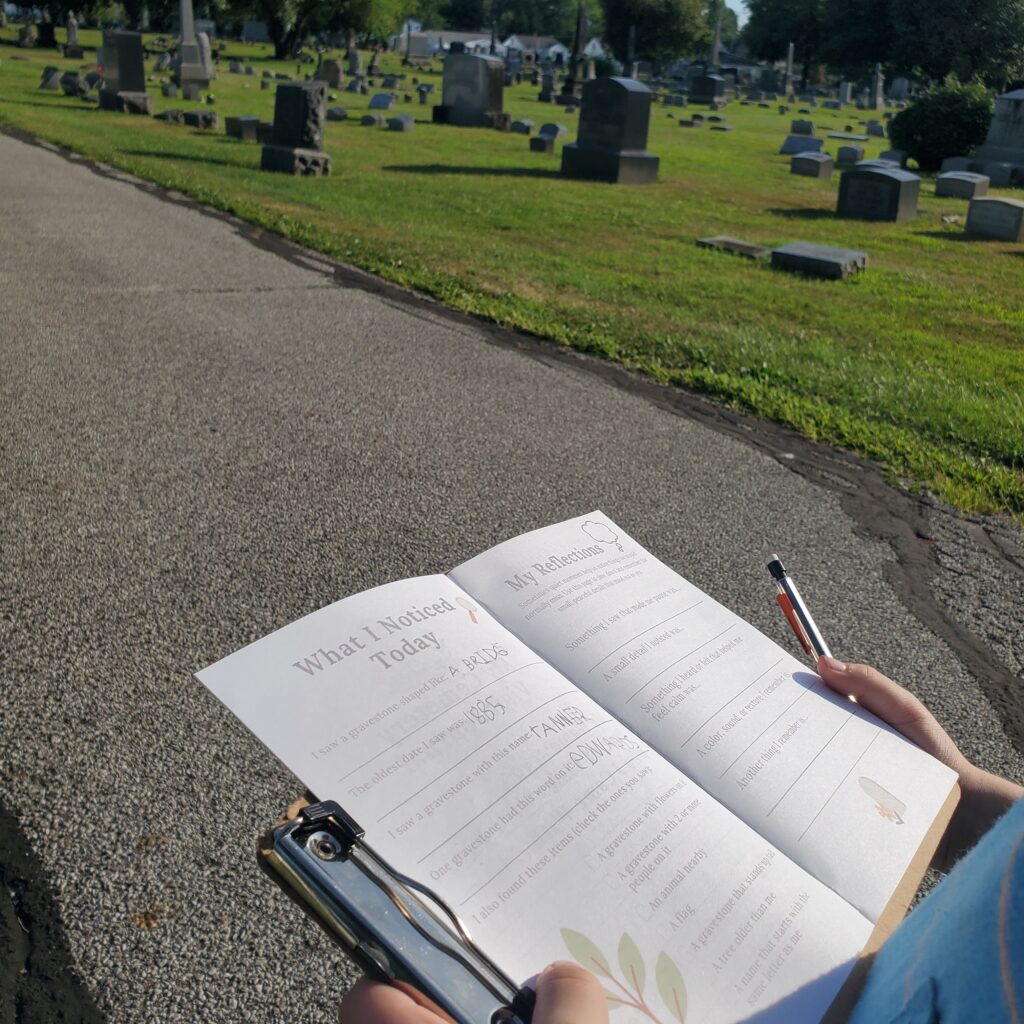
- A journal or printable checklist for children to write or draw their thoughts
- Wipes or tissues are especially helpful for younger children
- A phone or camera for gravestone photography or family tree documentation
- Water bottles, snacks, and hats for sunny weather
- A printed family tree or ancestor notes, if you’re visiting a specific relative
For an easy way to remember everything, download our free Family Cemetery Visit Checklist.
Arriving at the Cemetery: Teaching Respect from the Start
When you arrive, take a few quiet moments to ground your family. Speak softly. Walk slowly. Explain to your children that cemeteries are places where people remember those they love. These aren’t just stones; they mark real lives, full of stories, just like yours. The simple introduction sets the tone for practicing cemetery etiquette for families from the very beginning.
During the Visit: Gentle Cemetery Etiquette for Families
Walk Carefully and Stay on Paths When Possible
Try to stay on walkways or grass between the rows of stones. Avoid stepping directly on burial sites whenever possible. It’s a simple sign of respect that teaches awareness.
Use Quiet Voices
It doesn’t have to be silent—but loud, playful chatter or running around isn’t appropriate. Consider this a quiet outdoor classroom or place of worship. Encourage kids to whisper their thoughts or questions as you walk.
Don’t Touch or Lean on Gravestones
It can be tempting for little ones to run fingers across the engraving or lean on the stone for a photo. Gently explain that cemetery etiquette for families teaches that gravestones are fragile and not meant for climbing or touching, especially older ones.
Leave Only Kindness Behind
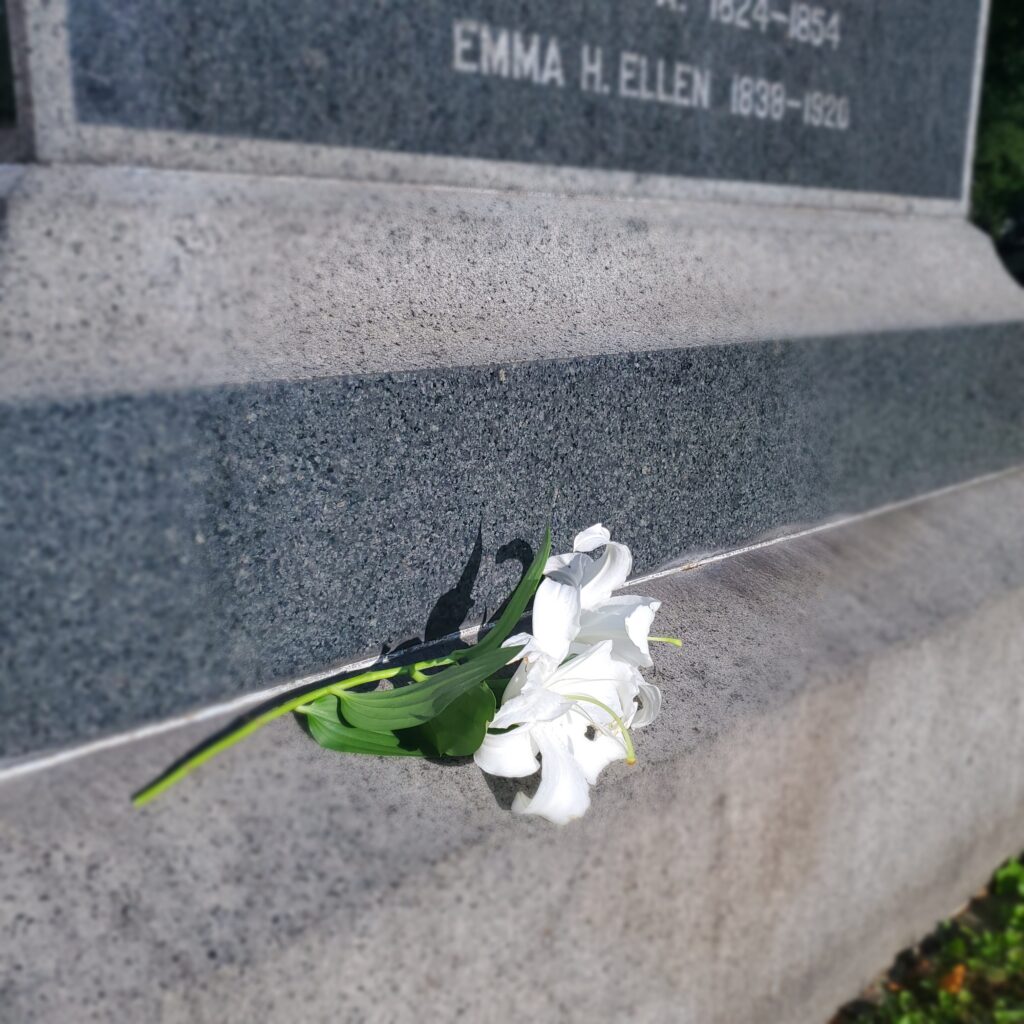
If you bring flowers, place them gently at the base of the gravestone; do not stick them into the ground or on top. Avoid leaving anything that might blow away or become litter, like balloons or plastic decorations. A small bouquet, a handwritten note, or a seasonal wreath are beautiful, thoughtful choices.
Helping Children Understand the Experience
Answer Their Questions Honestly
Children often have questions about death, graves, and the afterlife. You don’t need all the answers—just honest, age-appropriate ones. Let them know it’s okay to feel quiet, curious, or even unsure.
Use the Visit as a Teaching Moment
If you bring a printable journal or worksheet, guide children in drawing what they see, writing down names, or reflecting on what kind of life someone may have lived. This turns the outing into an educational, heart-centered experience while reinforcing cemetery etiquette for families in a natural, meaningful way.
If You’re Taking Photos: Gravestone Photography Tips
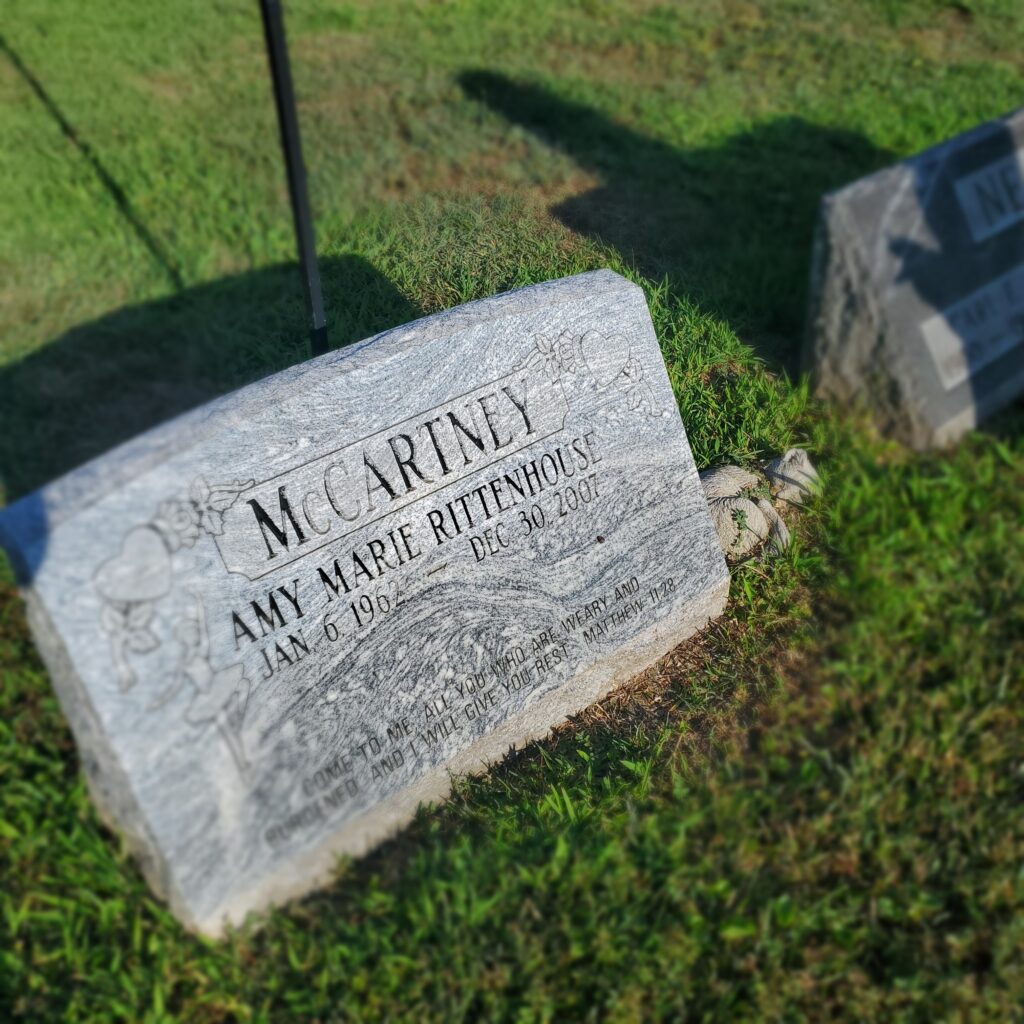
Many families visit cemeteries as part of their genealogy journey or to participate in gravestone photography through apps like FindAGrave or BillionGraves. Here’s how to do it respectfully:
- Photograph only visible, public gravestones
- Never disturb items left behind by others
- Don’t move, clean, or rub the stone unless you have permission or training
- Upload with care and accuracy—these records help families around the world
Be Mindful of Others
You may encounter others grieving, praying, or quietly reflecting. If you see someone nearby, give them space. If a funeral is taking place, take a different route and maintain silence. These small gestures are part of respectful cemetery visits.
After the Visit: What Comes Next?
Once you return home, take a few minutes to reflect as a family:
- Did anything surprise or touch you?
- Were there names or dates that stood out?
- Do you want to add any new people or places to your family tree?
This is a good time to write about your visit in a journal, create a family keepsake, or even plan your next family cemetery visit.
A Tradition Worth Keeping
A family cemetery visit doesn’t have to feel somber—it can be peaceful, reflective, and even joyful. By following cemetery etiquette for families and bringing thoughtful preparation, you can turn these visits into meaningful traditions that teach respect, connection, and remembrance.
Ready to Get Started?
📥 Click here to download your free family cemetery visit checklist
This printable includes what to bring, gravestone photography tips, thoughtful questions, and journaling prompts—everything you need for a respectful and reflective outing.
📚 Want to understand the deeper value of these visits?
👉 Read: Why Every Family Should Visit Cemeteries
Leave a Reply