
Hands-on family history is one of the simplest ways to help children feel connected to the people who came before them. It truly means using activities that invite them to engage their hands as they learn about family history. When children can touch, create, and participate, it helps them connect to their ancestors and gain a deeper understanding of who they were. And the beautiful part is that these moments don’t have to be complicated. They can grow out of the same kinds of hands-on learning we already use every day.
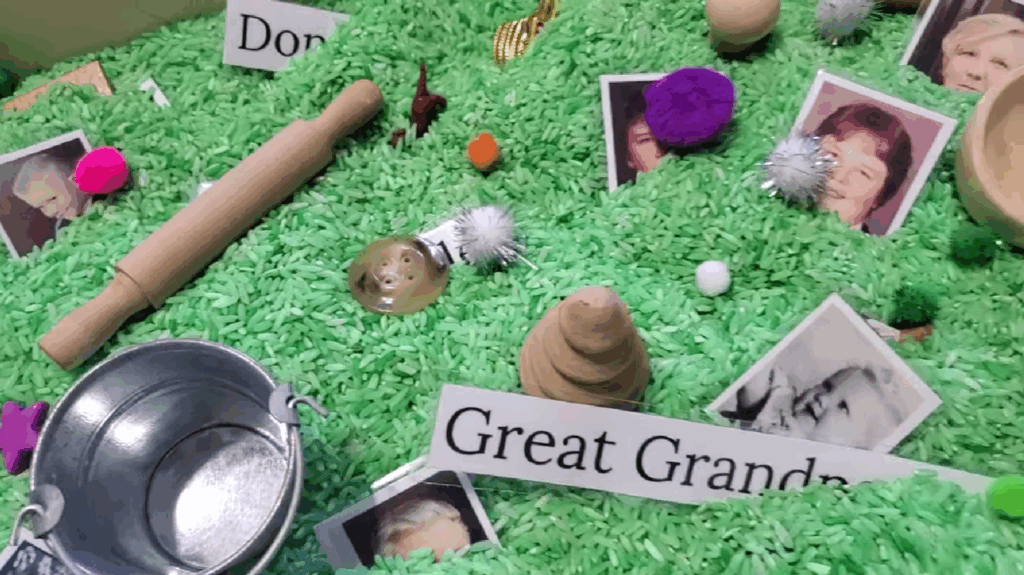
It wasn’t hard to notice that when homeschooling, my children learned best when their hands were busy. When learning became something they could touch and shape, it stayed with them longer.
Family history for young children isn’t about remembering facts about ancestors. It is more about connecting children to ancestors. Experiencing their story in a way that feels real, meaningful, and personal.
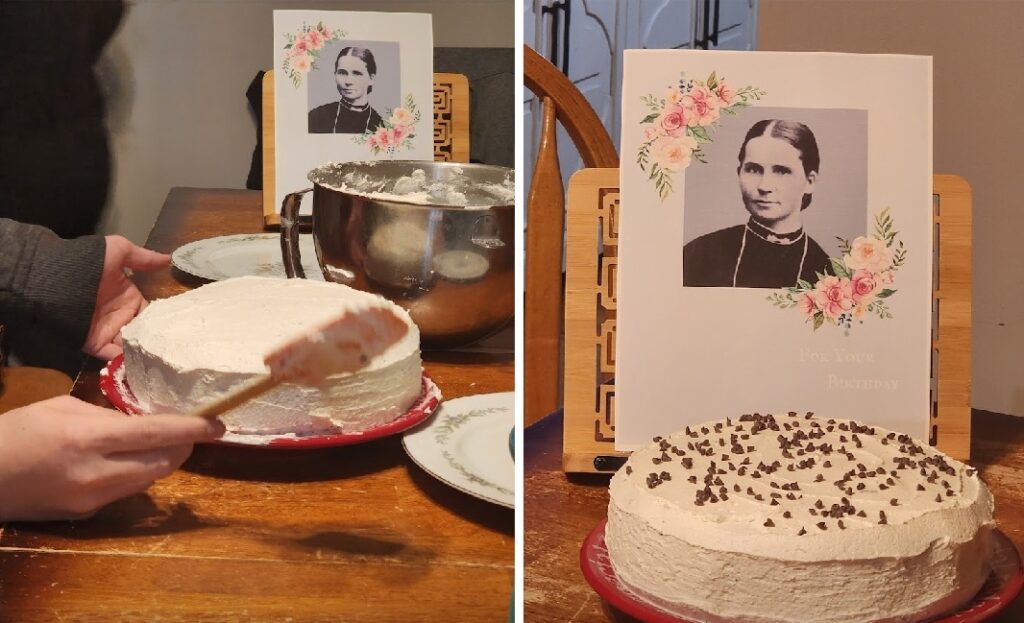
To help my kids learn about some of their ancestors, we have invited them to dinner. (You can read about that here.) It has been such a meaningful hands-on family history activity because we make a meal and a cake together to honor an ancestor on their birthday. We have also learned different hands-on skills as a way to honor the work and lives of those who came before us.
Family history activities for kids that involve their hands create space for stories to surface naturally. It isn’t hard, and it doesn’t need to take a lot of time. Family storytelling activities like Hand Picked Histories are simple and fun. You can even look at pictures of relatives while you share a memory or story about them.
Why Hands-On Family History Works for Children
When we think about teaching children family history, it helps to remember that children don’t learn best by being asked to sit still and remember facts. They learn best when their hands are involved. Busy hands lower pressure. They give the mind room to relax. And they invite conversation without making it feel like an interview.
Hands-on family history works so well because:
- Busy hands invite calm.
When children are drawing, building, cooking, or crafting, their bodies slow down, and their minds settle. Family history for young children can feel peaceful and grounding. When my children embroider as their great-grandma did, their hands stay busy, their hearts grow quiet, and there is space to remember her and her stories, too. - Play removes formality.
Family history stops feeling like a lesson and starts feeling like time together. It doesn’t have to follow a plan or stay perfectly organized. Hands-on family history invites children to connect by doing what their ancestors did, not just by knowing where they came from. - Stories emerge during shared activity.
Some of the best memories and questions come out when no one is trying to force them. While hands are working, words flow more easily. Sometimes my kids share their stories and questions, and sometimes the activity brings up my own memories that I can share with them. - It works beautifully for mixed ages.
I love the moments when my older children teach my younger ones something new about an ancestor, whether it is a story from their life or a skill like carving, because an ancestor once did it too. It builds connections across all ages and creates new memories and traditions that my children will one day pass on to their own families.
This is why hands-on activities fit so naturally into family history for young children. It doesn’t require special lessons or perfect planning. It grows out of ordinary moments made intentional. And in those moments, children aren’t just learning about the past. They are feeling connected to it.
Family History Doesn’t Have to Be Formal
For adults, family history can look like family group sheets, family trees, and sorting through old pictures. But with children, it is different. For them, it doesn’t require timelines, charts, or long sit-down lessons. Some of the most meaningful moments happen quietly, woven into the ordinary parts of the day. That is where interactive family history fits so naturally. It lives inside what we are already doing together.
Family history can show up in simple ways like:
- Cooking a meal and talking about recipes that have been passed down
- Gardening and remembering who else worked the land before us
- Sewing, mending, or embroidering, and thinking about the hands that learned those skills first
- Listening to music that carries memories
- Sensory play with objects, textures, and materials that connect to a story
- Playing games, our ancestors enjoyed
- Going on a hike and looking for rocks, arrowheads, or toads like grandpa did
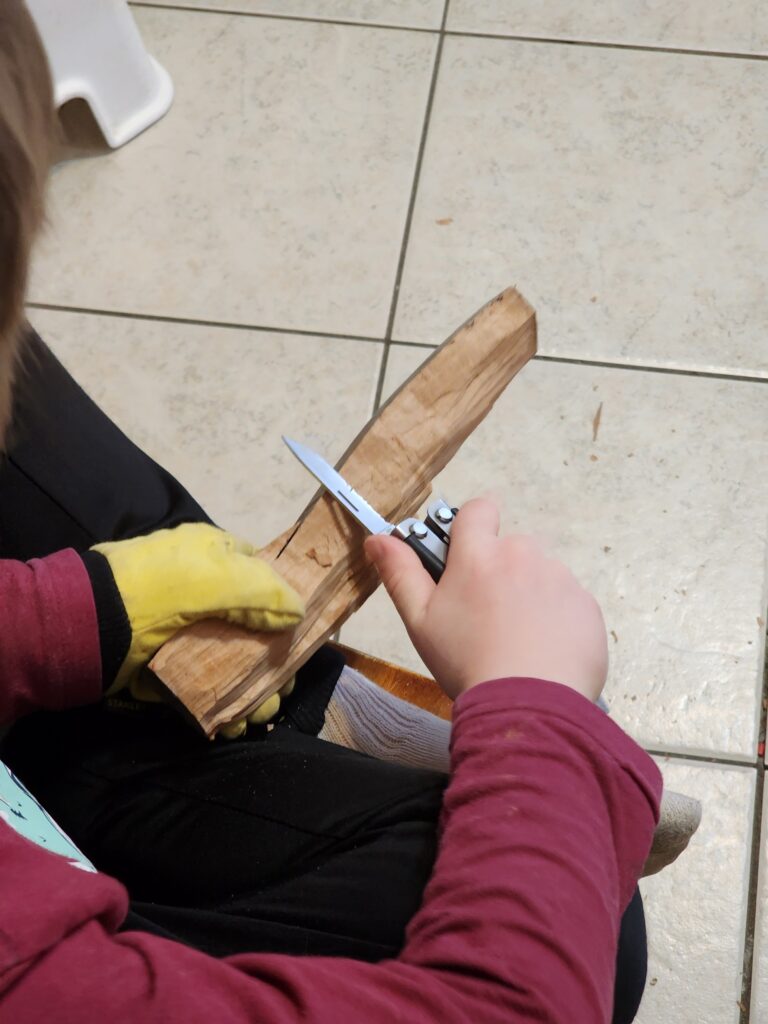
- Carving wooden spoons or small animals while talking about the things our ancestors made for fun, before screens filled their time
That is what makes everyday life such a rich place for family storytelling activities. History feels approachable. It feels personal. It feels alive.
Family history grows best when it is gentle and simple. When we let it live in ordinary moments, we show our children that their story is not just something from the past. It is something still being written right alongside their own.
Hands-On Family History Activities for Kids That Invite Family Stories
Some of the most meaningful family history activities for kids come from simple, everyday experiences. When children use their hands, stories have space to grow naturally. These heritage activities for families don’t need to feel structured or planned. They just need room to unfold.
This is hands-on learning at home at its best. It is gentle, personal, and rooted in connection.
Sensory Play and Discovery
Sensory play is one of the easiest ways to begin. Children explore without pressure, and curiosity leads the way.
You might try:
- Colored rice, beans, or sand sensory bins
- Matching relatives’ photos with small objects that represent their lives
- Letting children explore while you gently narrate a short story or memory
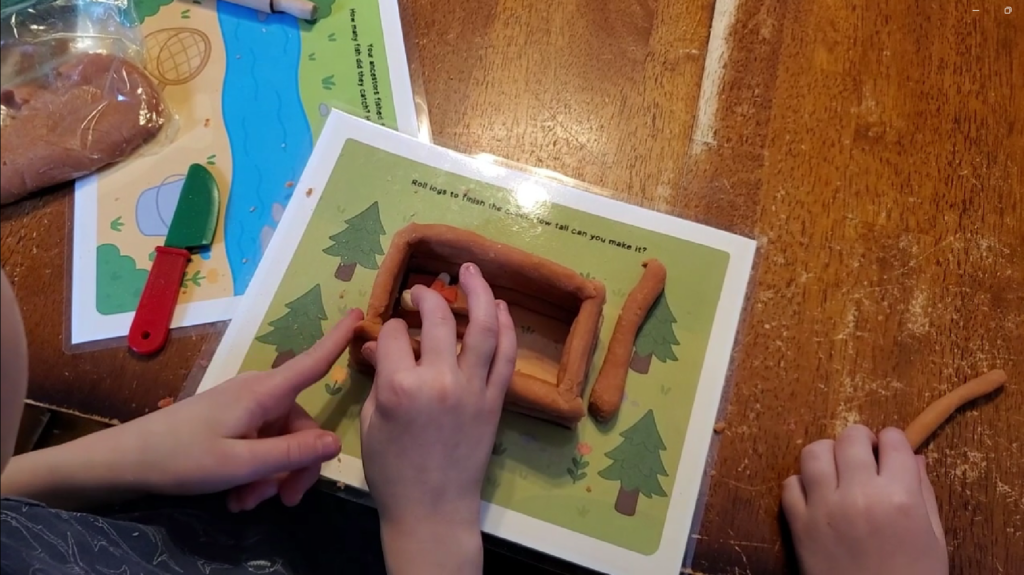
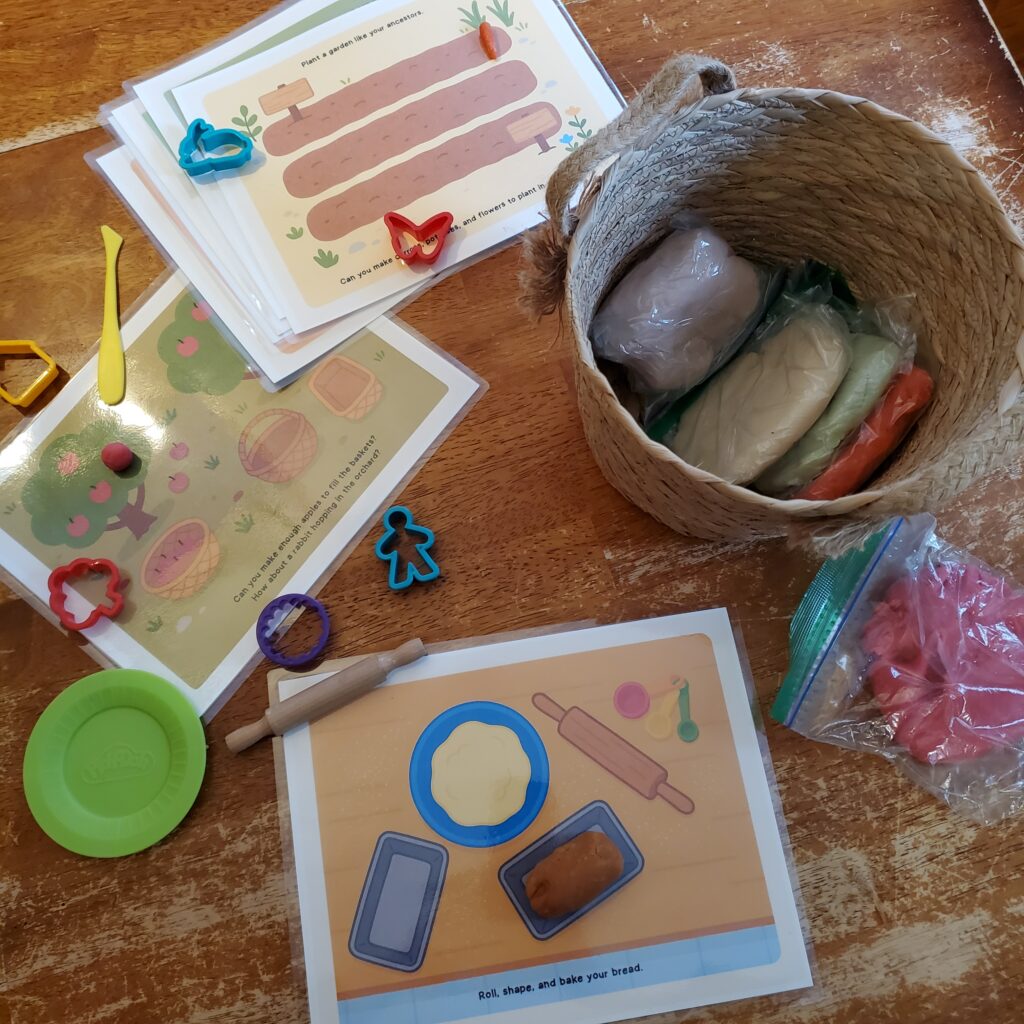
- Creating with playdough while listening to ancestral stories or shaping the playdough into something connected to the story (see link below for a free printable!)
- Allowing children to touch heirlooms such as quilts or jewelry that have been passed down
Why it works:
- Discovery-based learning helps children remember through experience
- Touch and movement make stories feel real
- Quiet play creates space for conversation without forcing it
This is hands-on learning at home that feels calm, open, and inviting.
If you’d like a simple way to bring this into your own family time, you can download our free printable playdough mats. They give little hands something meaningful to create while family stories naturally unfold.
Baking, Cooking, and Celebrating
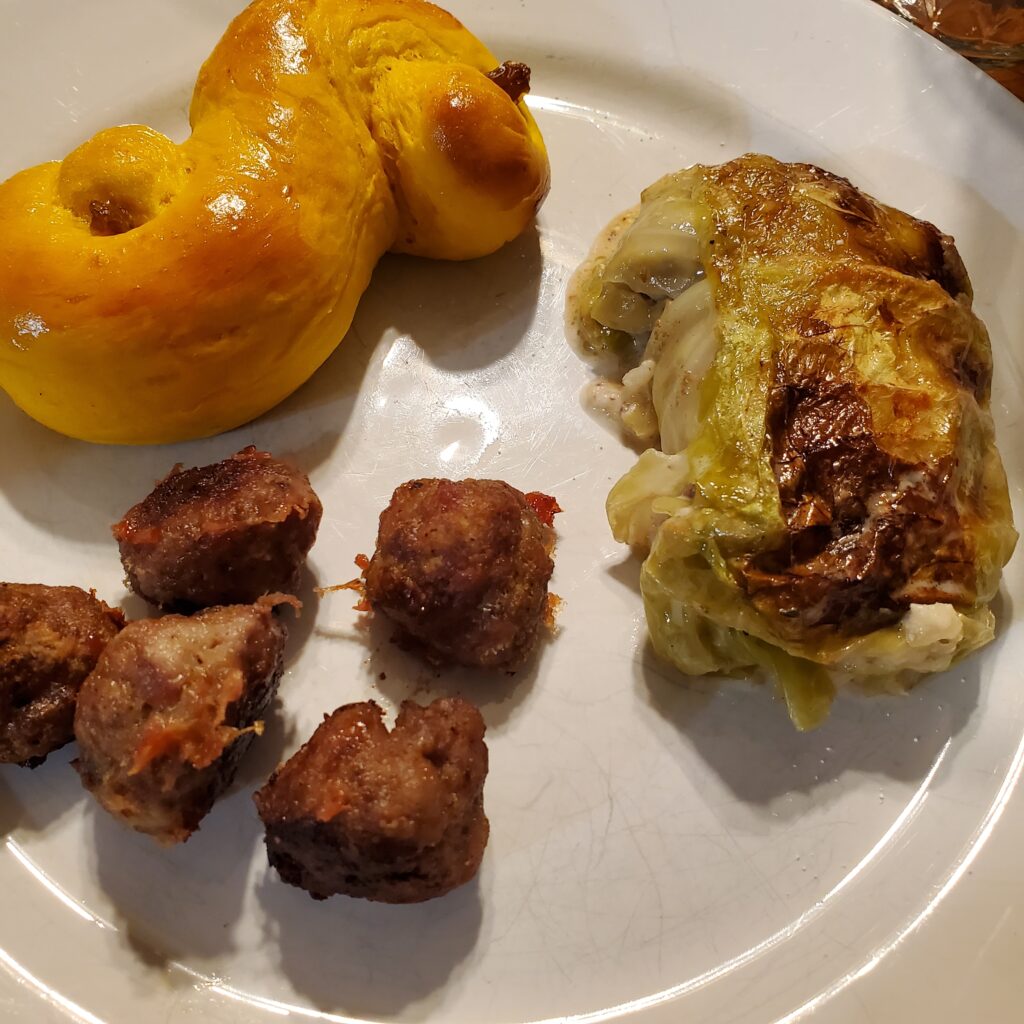
Food carries memory in a powerful way. Baking and cooking together are some of the simplest heritage activities for families to try.
Ideas include:
- Baking a birthday cake for an ancestor on their birthday
- Making a recipe that has been passed down
- Using kitchen tools like a brodpisker (a Danish dough whisk) that your ancestors might have used
- Cooking a meal someone in your family once loved
- Trying a dish inspired by the place from where your ancestors came
Why it works:
- Messy moments become meaningful memories
- Shared work builds emotional connection
- Children remember who the food was made for and why
Family history becomes something you do, not just something you talk about.
Gardening, Farming, and Working the Land
Gardening creates a natural bridge to ancestors who worked with their hands. Most of us have ancestors who farmed, whether to provide for their own families or to earn a living.
I’ve loved telling my kids stories about my ancestors and their farming adventures. My grandma recorded the moment her dad stopped raising cows and switched to growing tomatoes in order to meet the needs of their community and continue providing for his family. That story shares history, but it also reminds us that plans sometimes change, and that others before us had to adapt, too.
With your children you might:
- Plant seeds and talk about who once grew food for the family
- Share small details like fields, gardens, or orchards they tended
- Let children dig, water, and harvest while listening to stories
Why it works:
- Physical work slows the pace
- Busy hands invite reflection
- Stories come more easily during steady, simple labor
- It can teach children that work is necessary, but can also be fun
These family history activities for kids show that the past was built on ordinary work and care.
Music, Sewing, and Making by Hand
Music and making handmade items keep traditions alive in quiet ways. When I hold something my ancestors made, I feel a real sense of connection. It reminds me that they truly lived and created with their own hands. Music was important on both my side of the family and my husband’s, and that love has carried down to our children, who now enjoy music and exploring different instruments themselves.
In your family you might:
- Sing songs your family loves
- Let children explore instruments without pressure
- Learn folksongs from areas your ancestors came from
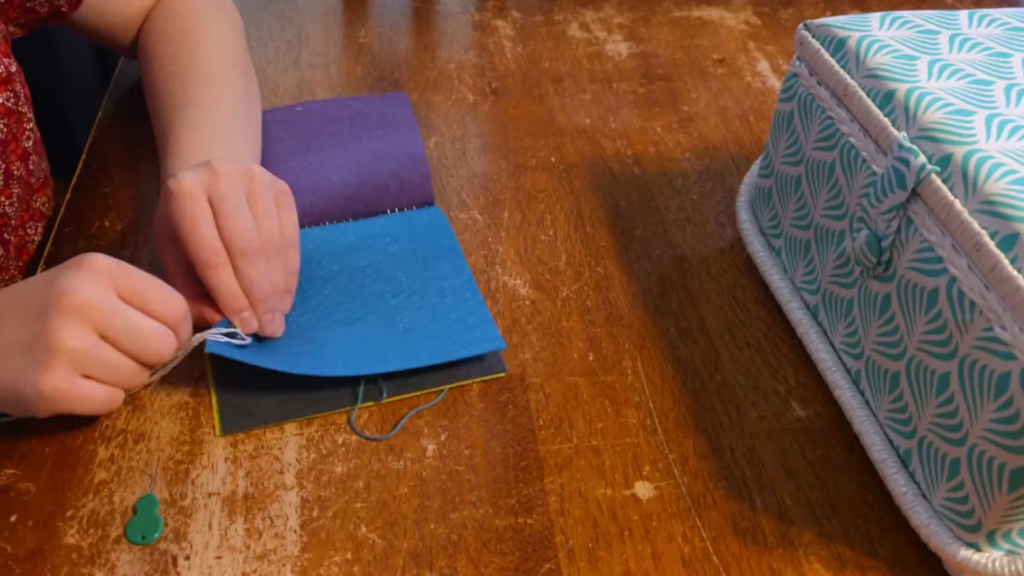
- Practice hand sewing, mending, or embroidery, or carving together
Why it works:
- Music becomes a living family tradition
- Sewing connects children to necessary ancestral skills
- Making by hand teaches patience and respect for effort
Children begin to see that their ancestors were makers, just like they are.
Hands-on family history helps children connect to their ancestors in ways that feel natural and meaningful. When family history activities for kids are engaging and woven into everyday life, family history for young children becomes something they can touch, feel, and remember.
To make it even easier, you can download our free playdough mats printable (link above!). It is a simple hands-on learning at home tool that supports family history for young children by giving little hands something to create while stories and connections unfold.
Leave a Reply